
Board exams can feel huge, and if you’re worried, that’s normal. Here is how to manage exam stress: plan small study blocks, protect your sleep, breathe slowly before the paper, and talk to someone you trust.
This guide is part of our wider coverage of board exam preparation, which gathers study, revision and exam-day advice in one place.
| Item | Value |
|---|---|
| Sleep each night during exams | At least 7-8 hours |
| Breathing focus before the paper | 2-3 minutes |
| Movement break between study sessions | About 10 minutes |
| Class 12 students nervous about board exams | 86% |
| Class 10 students nervous about board exams | 62.5% |
| Class 12 students feeling extra parental pressure | 58.7% |
The sleep, breathing and break figures come from Onmanorama’s February 2026 expert feature, and the survey percentages come from an Extramarks blog last updated on March 5, 2025. Figures can change, so check the source before you rely on them.
Why exam stress feels so intense
Exam stress is more than “in your head”. According to Tata 1mg’s health team, your body releases cortisol and adrenaline when you are nervous about performing. That can disturb sleep and concentration, and it explains why your head may suddenly feel blank even after hard study.
The goal is not to wipe stress out. The same health article says the key is to manage it in a way that supports focus, clarity and emotional balance, and an Onmanorama counsellor advises helping children understand that the fear of examinations is natural.
You are also not alone in feeling this way. An ASSOCHAM study cited by Extramarks found that 86% of Class 12 students feel nervous and anxious about board exams, compared with 62.5% of Class 10 students. The same study found that 58.7% of Class 12 students feel extra pressure from their parents.
Turn a huge syllabus into small daily wins
A big syllabus triggers panic mainly when it stays a vague, giant pile. Shrinking it into concrete tasks gives your mind something it can actually finish.
- Make a realistic plan. An Onmanorama expert suggests breaking lessons into smaller, achievable goals and building a timetable that includes revision and adequate rest.
- Study in “micro-tasks”. Tata 1mg suggests choosing one specific event or ten pages of a textbook instead of telling yourself to study a whole subject.
- Revise more than once. A psychologist writing in Gomantak Times explains that revision helps move learning from short-term to long-term memory, which makes recall easier in the paper.
- Use sample papers. The same Gomantak Times piece says sample papers work as a guide to your level of preparedness and leave time to sort out difficulties.
- Stop chasing new topics late. A school principal quoted by The Tribune says the focus should stay on revising concepts, because last-minute attempts to learn new ones can lead to unnecessary panic.
Once your plan is steady, the board exam answer writing tips on this site are a natural next step for turning your revision into clear, well-organised answers.
Protect your sleep, food and movement
Sleep is the habit students sacrifice first and regret most. The Onmanorama counsellor says students should get at least seven to eight hours of sleep daily, as sleep deprivation increases anxiety and irritability. A principal quoted by The Tribune (updated February 22, 2024) gives a slightly wider range of 7-9 hours.
All-nighters are a trap. Extramarks notes that pulling one before an exam can leave you exhausted and make you forget things.
Food matters too, but it does not need to be fancy. The Gomantak Times writer recommends a balanced diet with meals on time every day, and the Onmanorama expert says to avoid beverages high in caffeine.
Your body also needs short movement breaks. Light exercise, walking or stretching for about ten minutes between study sessions can help you refresh, according to Onmanorama, while Tata 1mg suggests a 10-minute break after every hour of study.
Calm your body with breathing and relaxation
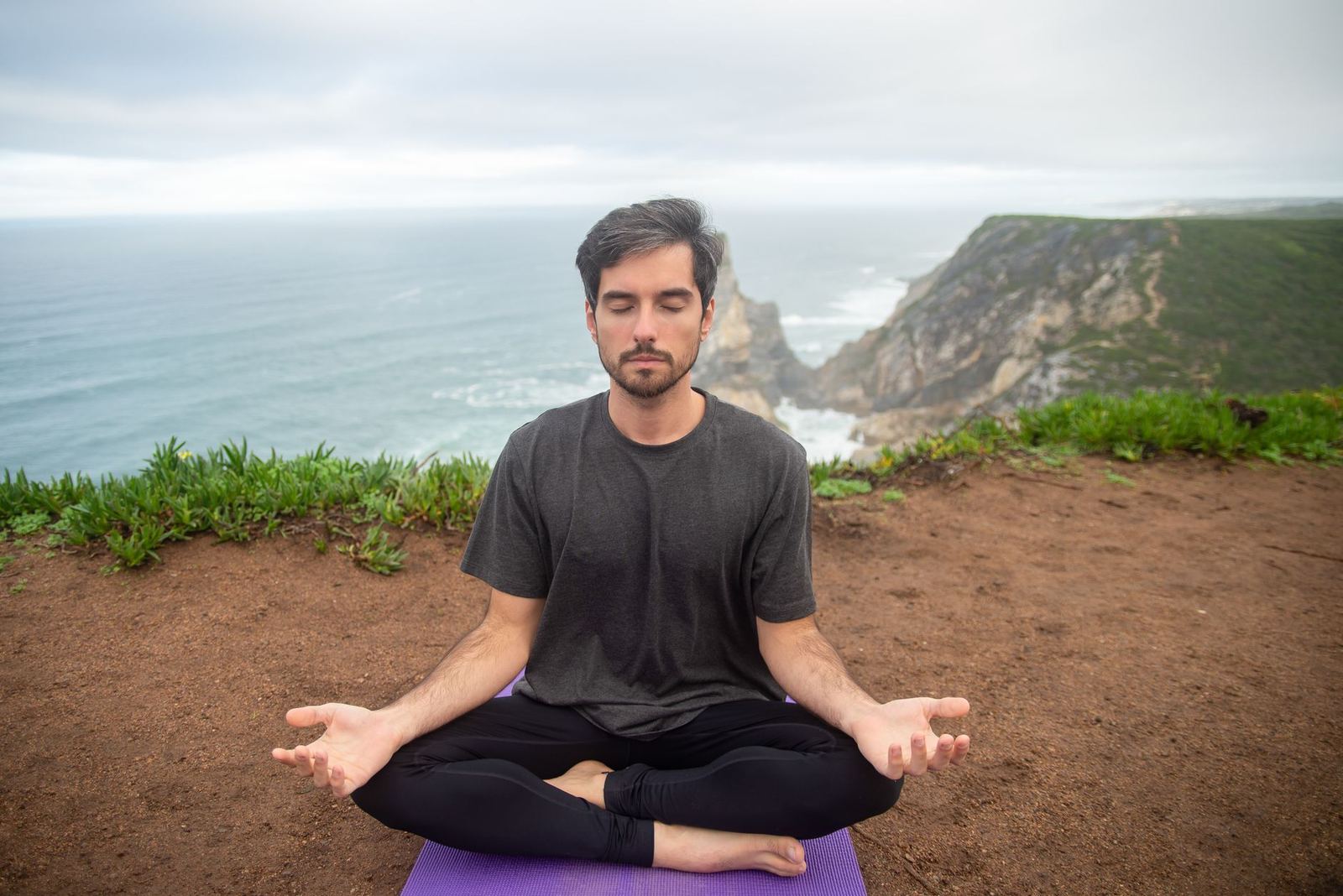
When your heart is racing, a slow breath is the quickest tool you have. The Onmanorama counsellor says focusing on breathing for two to three minutes before an exam can help reduce stress levels, and that deep breathing, meditation and prayer help calm the sympathetic nervous system. Read the full tips on Onmanorama.
You do not need a single perfect method. Pick whichever of these feels natural and repeat it daily:
- Deep breathing, meditation, yoga or progressive muscle relaxation, which The Tribune describes as proven ways to calm the mind and reduce anxiety.
- Listening to calming music, which Extramarks lists alongside meditation and deep breathing.
- Visualising yourself succeeding and focusing on your strengths and achievements, as the Tribune feature advises.
Your inner voice counts as well. Replace “I’ll never finish” with a calmer, truthful line such as “I have prepared and I will do my best”, and keep that line ready for the moment panic starts.
What to do in the last days and on exam day
In the last days, keep your routine boring and steady. Revise what you already know, keep your sleep and meals regular, and avoid comparing your progress with classmates.
The night before, prepare for a calm morning. The Onmanorama counsellor says all necessary materials should be kept ready the previous night, and that waking up early and getting ready calmly is the first step. The Onmanorama piece was published in February 2026.
- Pack your admit card, stationery and any other permitted items the evening before.
- Eat a normal meal and go to bed at your usual time.
- Spend a few minutes on slow breathing before you enter the hall.
- If your mind goes blank, pause, breathe and move to a question you can answer.
If you are sitting the HSLC, you can pair this routine with the hslc exam preparation tips on this site.
How can parents and friends help?
Family support can lower the pressure or raise it. The Onmanorama counsellor warns that parental anxiety can easily transfer to children, and advises parents to praise effort over results and make time to talk and listen to their child (Onmanorama, February 2026).
Students can ask for help directly. The Tribune feature says never to hesitate to reach out to loved ones for emotional support during exam season (The Tribune, February 2024).
Perspective helps everyone. In a February 2026 interview, a Class 10 student told The Better India: “The world does not end with a bad score; you can always do better.” The Onmanorama expert makes a similar point, saying examinations should not be viewed as the final measure of life.
If worry keeps you from sleeping or functioning for long stretches, speak to a teacher, a school counsellor or a doctor.
Frequently asked questions
How many hours should I sleep during board exams?
Show answer
An Onmanorama counsellor says at least 7-8 hours daily, while The Tribune quotes a principal who suggests 7-9 hours. Either way, treat sleep as part of your study plan, not a luxury.
Is it normal to feel anxious before board exams?
Show answer
Yes. The Onmanorama counsellor says the fear of examinations is natural, and an ASSOCHAM study cited by Extramarks found that 86% of Class 12 students and 62.5% of Class 10 students feel nervous and anxious.
Should I study all night before the exam?
Show answer
It is better not to. Extramarks says an all-nighter can leave you exhausted and make you forget things, so use the final evening for light revision and rest.
What can I do if my mind goes blank in the exam hall?
Show answer
Tata 1mg explains that stress hormones can make your head feel blank even after diligent study. Pause, take slow breaths as the Onmanorama counsellor suggests, and then move on to a question you can answer.